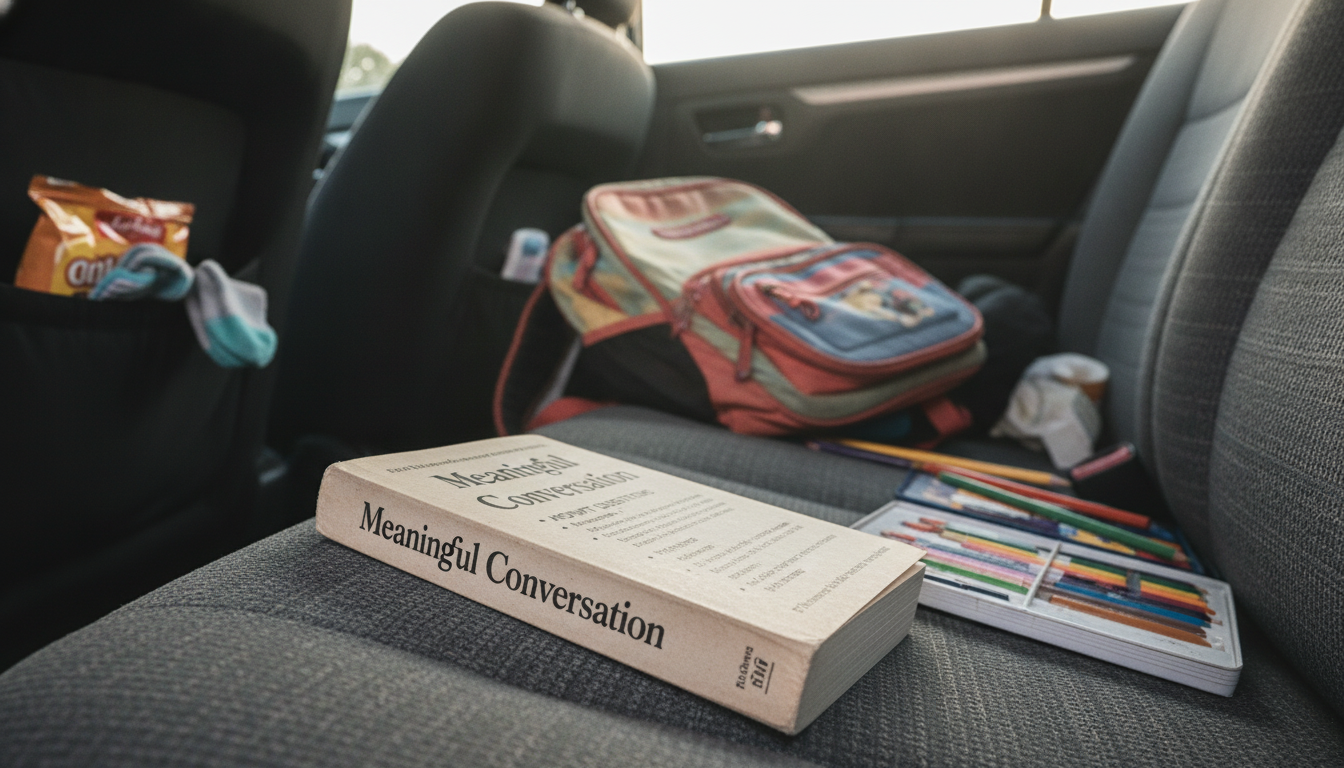
A great “how to have meaningful conversations” book does more than offer clever prompts—it helps build real connection. The most useful titles focus on a few essentials: how to listen without planning your next line, how to ask questions that invite honest reflection, and how to handle differences without shutting down or steamrolling the other person.
Look for a book that teaches practical skills you can use immediately, such as open-ended questioning, emotional labeling (“It sounds like that was frustrating”), and gentle follow-ups that deepen the topic without turning it into an interrogation. The best guides also address timing and context—meaningful conversation isn’t only about what you say, but when you say it and how safe the other person feels.
Strong conversation books typically cover three areas: mindset, tools, and repair. Mindset includes curiosity and humility—assuming you might not know the full story. Tools include question frameworks, listening techniques, and ways to share your own perspective clearly. Repair includes what to do when things get tense: how to pause, clarify intentions, and return to respect.
Instead of trying to memorize scripts, pick one technique at a time and practice it for a week. For example, replace “Did you have a good day?” with “What was the most draining part of your day?” or “What are you looking forward to this week?” Then add a simple reflection before your next question: “That sounds like a lot to carry.” Small shifts like these often create a bigger change than “perfect” phrasing.
For a deeper breakdown of what to look for and how to apply these ideas across friendships, dating, family, and work, visit How to Have Meaningful Conversations Book.
Use follow-up questions tied to what they just said (“What part mattered most to you?”) and share a small related detail about yourself to create reciprocity. If the energy drops, switch to a lighter topic briefly and return to depth when it feels natural.













Leave a comment