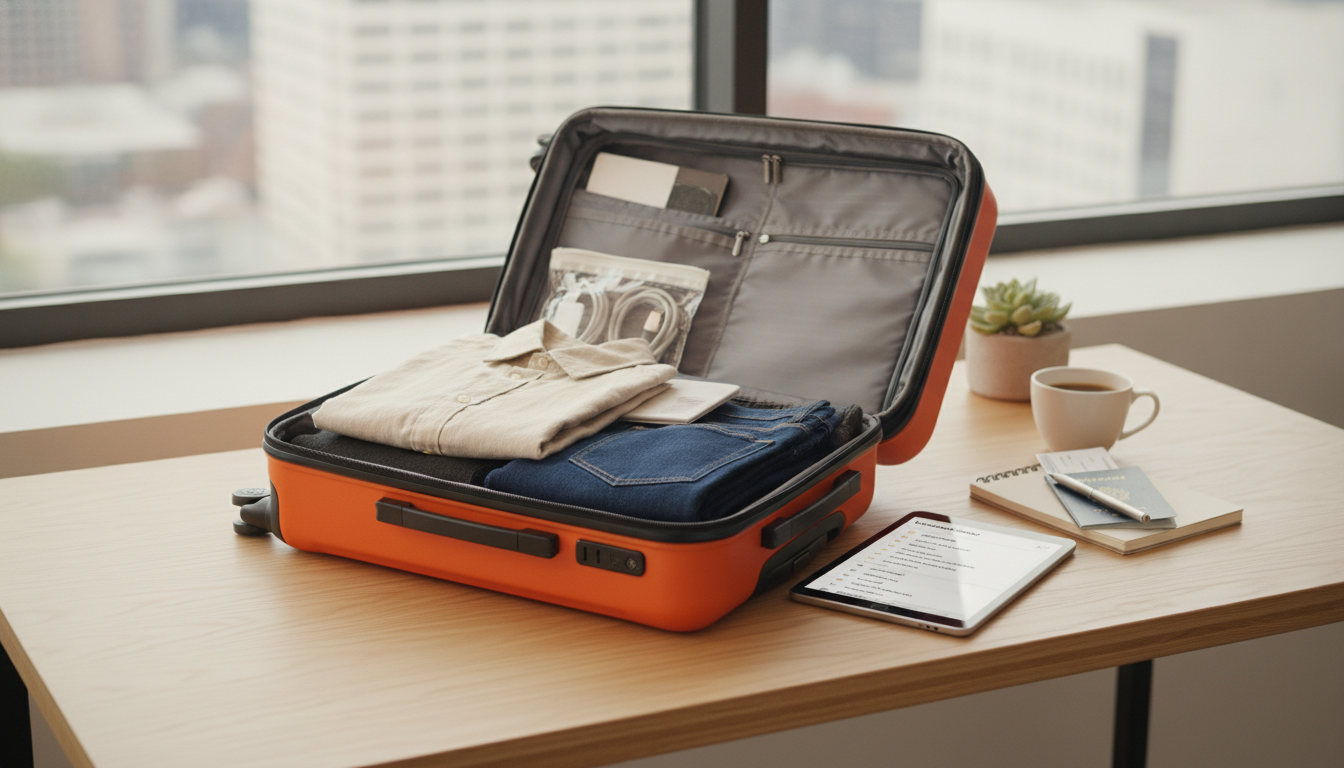
Packing light gets easier when decisions are made once and reused. A minimalist approach reduces duplicates, avoids “just in case” overload, and makes room for what actually supports the trip. This guide breaks down a simple system—plan, edit, pack, and repeat—so travel days feel calmer and bags stay manageable.
Minimalist packing isn’t about “going without.” It’s about removing friction. Less volume means fewer decisions on the road, which turns into quicker hotel check-ins, easier transit days, and faster airport security prep—especially when everything has a defined place.
Most overpacked bags come from the same trio of mistakes:
A minimalist plan stays practical by focusing on repeatable outfits, multipurpose layers, and a short list of essentials that supports the actual itinerary (not a fantasy version of it).
Minimalist packing starts with boundaries. Before listing a single item, lock in the variables that change what “enough” looks like:
Next, choose a bag size target first: carry-on, personal item only, or checked. The bag becomes the boundary that keeps the packing list honest. From there, use a capsule mindset: pick a small set of clothes that all work together, and prioritize one pair of comfortable walking shoes over extra outfits.
Draft the first list quickly. Write down everything that comes to mind without judging it. This gets the mental clutter out of your head and onto the page.
Now reduce. For each item, ask:
For travelers who want the same calm routine every time, a reusable checklist like the Minimalist Travel Packing Planner | Digital Packing Guide for Light, Smart & Stress-Free Trips helps keep decisions consistent from trip to trip—especially when you’re packing on a deadline.
| Category | Core items | Notes for staying light |
|---|---|---|
| Clothing | 3–5 tops, 2 bottoms, 1 layer, 1 sleep set, 5–7 underwear/socks | Choose a consistent color palette; prioritize re-wearable fabrics |
| Shoes | 1 walking pair, 1 optional dress/sandal pair | Avoid heavy backups; wear bulkiest pair in transit |
| Outerwear | Packable rain shell or compact jacket | One weather layer beats multiple bulky options |
| Toiletries | Travel-size essentials, refillables, minimal makeup | Pre-pack a grab-and-go kit; follow airline liquid limits |
| Tech | Phone, charger, power bank, adapter (if needed) | One cable system; skip duplicates |
| Documents | ID/passport, tickets, insurance info | Use a digital backup plus one physical copy of key items |
| Health | Any prescriptions, basic meds, small first-aid | Bring what can’t be easily replaced at destination |
| Day bag | Light crossbody/tote or packable daypack | Choose one that folds flat and works day-to-night |
If your itinerary includes one planned dress-up moment, choose a single “anchor” piece that works with the rest of your capsule. For example, a lightweight option like the Backless Lace Cowl Neck Mini Dress can cover a reservation night without forcing you to pack separate shoes, layers, and accessories that only match one outfit.
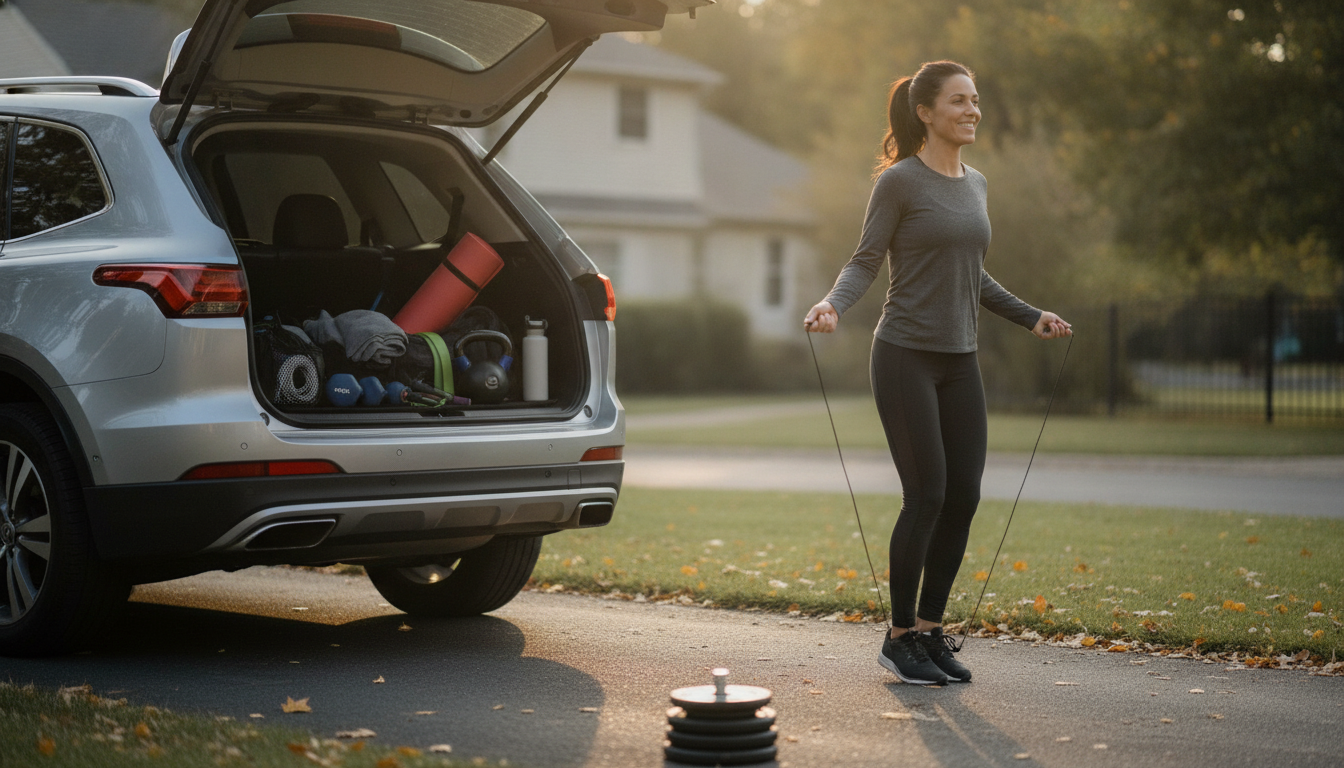
If the trip includes a road segment, keeping essentials visible prevents the “everything is rolling around in the trunk” problem. The Car Trunk Organizer “Highway” by Owleys helps separate footwear, backup layers, and grab-and-go items so you’re not unpacking the whole car to find one thing.
For flight days, remember the basics: the TSA’s 3-1-1 liquids rule can prevent last-minute bag reshuffles at security. For health prep and destination-specific guidance, check CDC Travelers’ Health. For international documentation and entry considerations, the U.S. Department of State travel resources are a reliable reference.
To make that repeatable setup easy, the Minimalist Travel Packing Planner | Digital Packing Guide for Light, Smart & Stress-Free Trips works well as a stable “default,” so your core list stays consistent and only the trip-specific items change.
A small capsule is usually plenty: 3–5 tops, 2 bottoms, and 1 versatile layer, with a plan to re-wear and/or do one quick laundry reset. Keeping a matching color palette makes it easier to mix pieces into multiple outfits.
Stick to essentials: toothbrush/toothpaste, deodorant, cleanser, moisturizer, sunscreen, and any medications you can’t skip. Use travel-size containers, avoid duplicates, and keep everything ready to go so you’re not rebuilding the kit before every trip.
Use a job-based test: every item needs a specific planned use (and ideally will be used at least twice). If it can be easily replaced at your destination, it usually doesn’t need to take up space in your bag.










Leave a comment