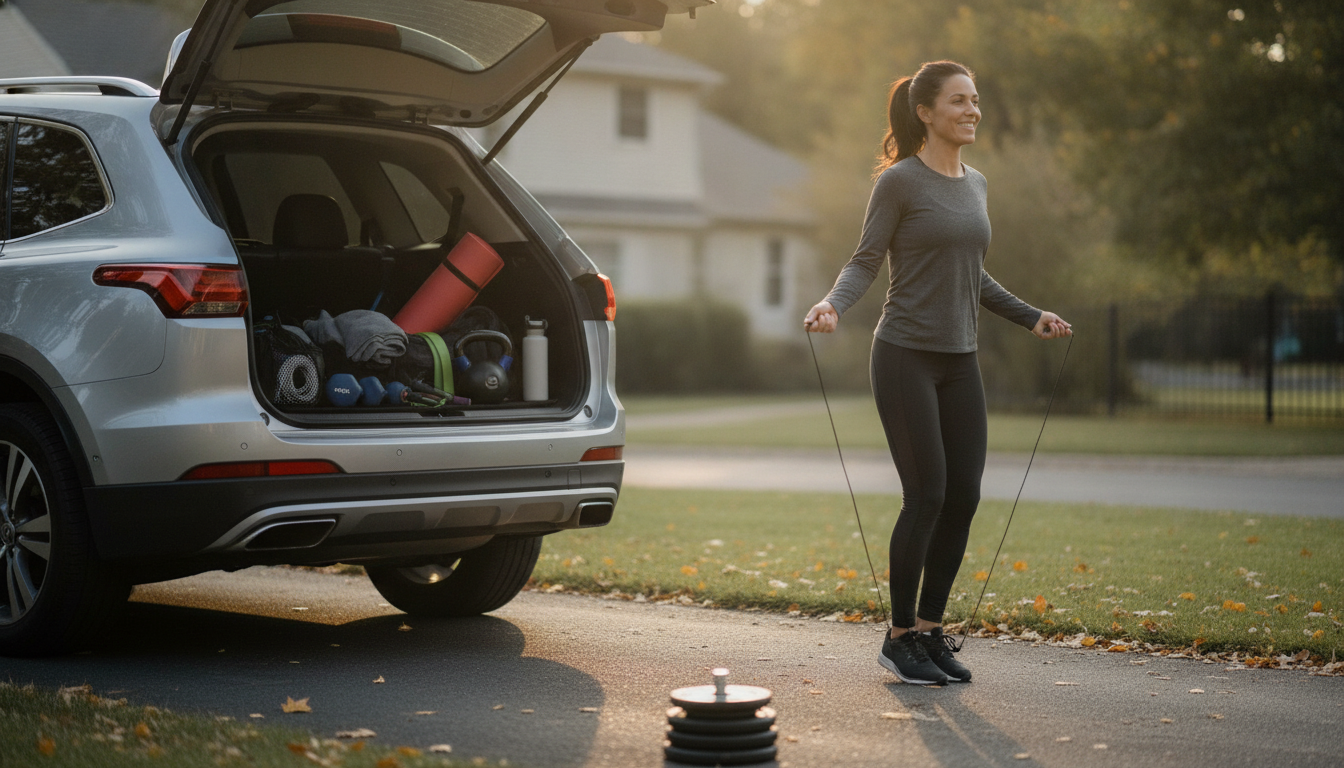
The best cardio for strength is the kind that boosts conditioning without draining the energy you need to lift heavy and recover well. For most people, that means low-impact, low-to-moderate intensity cardio and short, targeted high-intensity sessions used sparingly.
Incline treadmill walking or fast outdoor walking is a go-to option because it builds aerobic capacity with minimal muscle damage. It’s easy to control (pace, incline, time), it won’t beat up your joints, and it typically won’t leave your legs feeling “cooked” for squats and deadlifts the way hard running can.
Cycling and rowing let you push your heart rate while keeping impact low. The bike is especially recovery-friendly; the rower adds more full-body involvement but can become fatiguing if you turn every session into a max-effort test. A stair stepper can be effective too—just keep the intensity moderate if leg strength is a priority.
Short HIIT sessions can improve conditioning and work capacity, which can support stronger training sessions over time. The downside is that frequent all-out intervals can interfere with strength progress by increasing fatigue and making it harder to hit quality reps. If you want HIIT, keep it brief (think 8–15 minutes of intervals), limit it to 1–2 times per week, and avoid placing it right before heavy lower-body days.
Prioritize lifting first, then add cardio after, or do cardio on separate days. Keep most cardio conversational in effort, and use higher intensity only when recovery, sleep, and nutrition are consistently solid.
For a deeper breakdown of options and how to fit them into a strength-focused routine, visit https://gracehorizon.shop/what-is-the-best-cardio-for-strength/.
Two to four sessions per week is a practical range for many lifters, with most sessions kept low to moderate intensity. Adjust up or down based on how your lifts, soreness, and recovery are trending.













Leave a comment