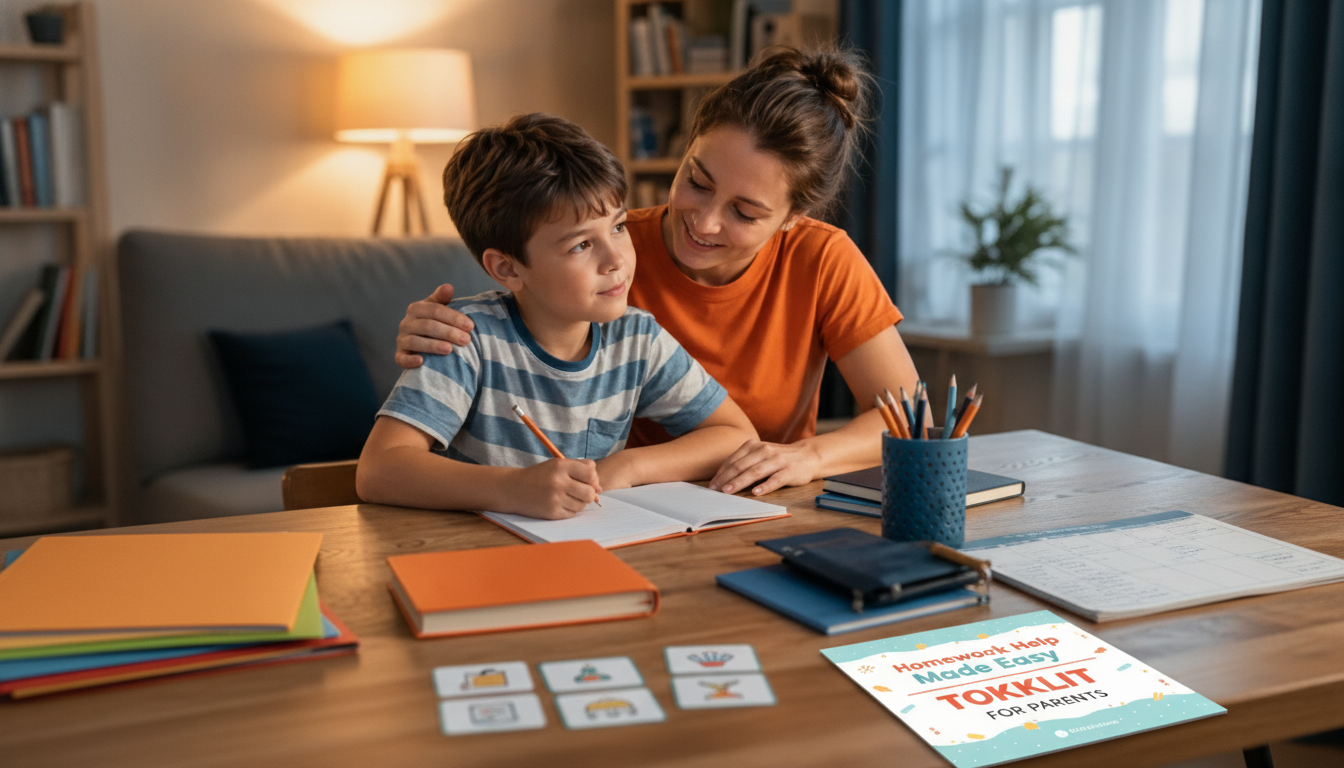
Homework time doesn’t have to mean nightly power struggles. With a few repeatable systems—clear expectations, a simple routine, and tools kids can use without constant reminders—families can reduce stress and build long-term learning habits. The goal isn’t a “perfect” evening; it’s a predictable flow that helps your child start, focus, and finish with growing confidence.
Before changing anything, decide what “homework success” looks like in your home. For one family it’s finished work; for another it’s fewer arguments, better effort, or a child who can work independently for 15 minutes without checking in.
If you want a research-backed refresher on realistic expectations, the American Academy of Pediatrics has a helpful overview of homework and study habits: American Academy of Pediatrics: Homework and Study Habits.
A good homework setup reduces “friction”—the little things that cause kids to wander, stall, or argue. Aim for a consistent location with minimal distractions and supplies within reach.
| Roadblock | What it often means | Simple support to try tonight |
|---|---|---|
| “I don’t know what to do.” | Directions aren’t clear or the first step feels too big | Ask for a “first step” only: highlight key words, write the first question number, or start with an example |
| Takes forever to start | Transition is hard; unsure what’s expected | Use a 3-minute setup ritual: clear desk, open planner, pick one task, start a timer |
| Rushes and makes careless mistakes | Wants to escape the task; low checking habits | Add a 2-minute “check pass”: reread directions, verify names/date, recheck 2 answers |
| Meltdowns mid-work | Overload, fatigue, or frustration intolerance | Use a short break plan: 5 minutes, water/snack, return to one small chunk |
| Forgets to turn it in | Weak end-of-day system, not defiance | Create a “finished = packed” rule: homework goes into a single folder immediately |
Most kids need a decompression buffer after school before jumping into focus-heavy work. Think 10–30 minutes depending on age and temperament.
If homework battles are frequent, it can help to review evidence-based parent strategies from the American Psychological Association: APA: Helping Children With Homework.
Planning is a skill—one that grows when kids practice a few tiny steps over and over. Instead of “get your homework done,” teach a process they can repeat on autopilot.
For families who want a ready-to-use set of pages to organize homework time, Homework Help Made Easy Toolkit for Parents – Printable Guide for Creating Study Habits, Homework Strategies & Independent Learning includes printable guides designed to support study habits, calm routines, and independent learning.
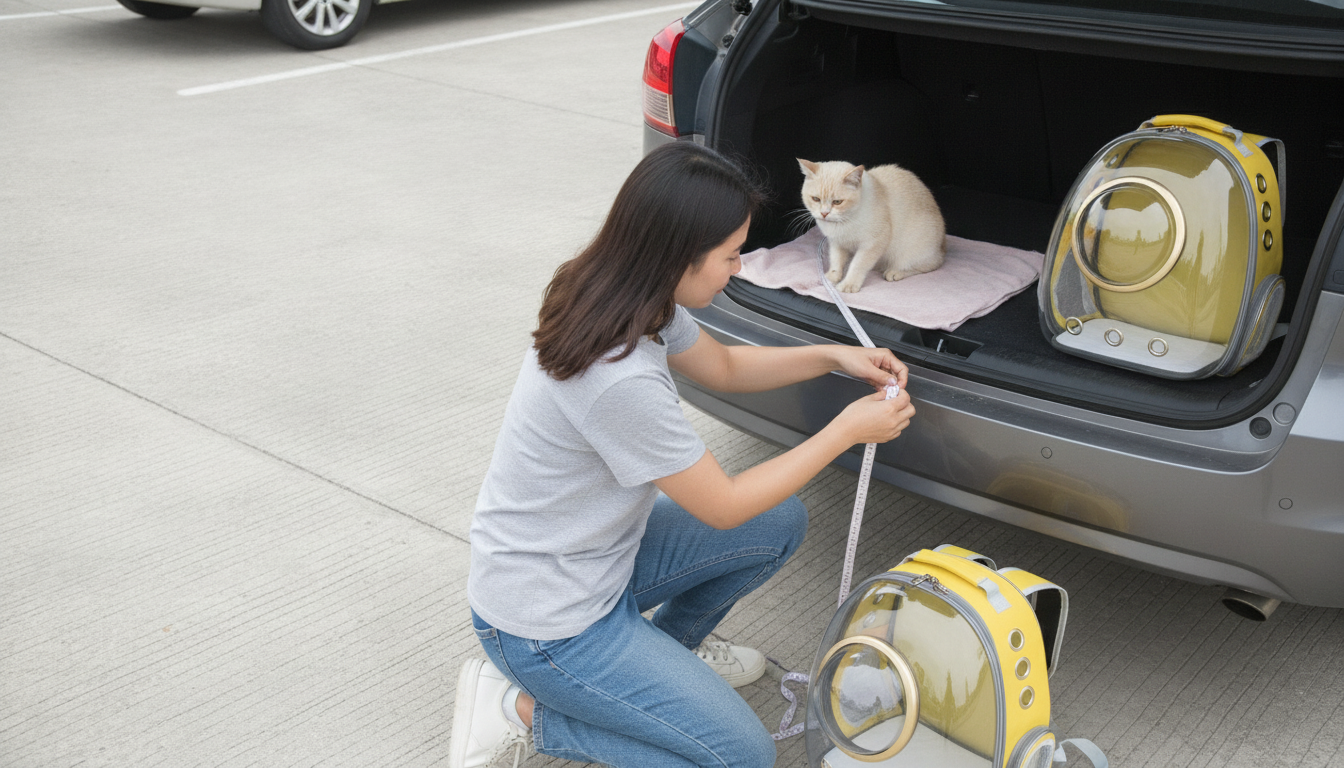
For families juggling multiple drop-offs, sports bags, and “Where is your folder?” moments, a simple car system can also reduce homework friction. Keeping a dedicated “school station” in the trunk can prevent missing supplies and last-minute stress. Two practical options are Car Trunk Organizer “Highway” by Owleys and Car Trunk Organizer “Hold&Go” – Hanging & Compact.
A common guideline is about 10 minutes per grade level (for example, roughly 20 minutes in 2nd grade and about an hour in 6th), but schools vary. Track the actual time for a week; if it regularly exceeds a reasonable limit or causes frequent distress, share your notes with the teacher and ask for adjustments.
Stay calm and stick to a predictable routine, then offer limited choices (which subject first, 10 or 15 minutes on the timer) to reduce power struggles. Start with a tiny “first step,” and consider whether the refusal is masking a skill gap (directions, reading, stamina) that needs support; if the pattern persists, involve the teacher early.
Use external supports the child can run: a checklist, a visible timer, and short work chunks with brief breaks. Add a one-minute reflection at the end, then gradually fade help from parent prompts to the child checking the tools on their own.










Leave a comment