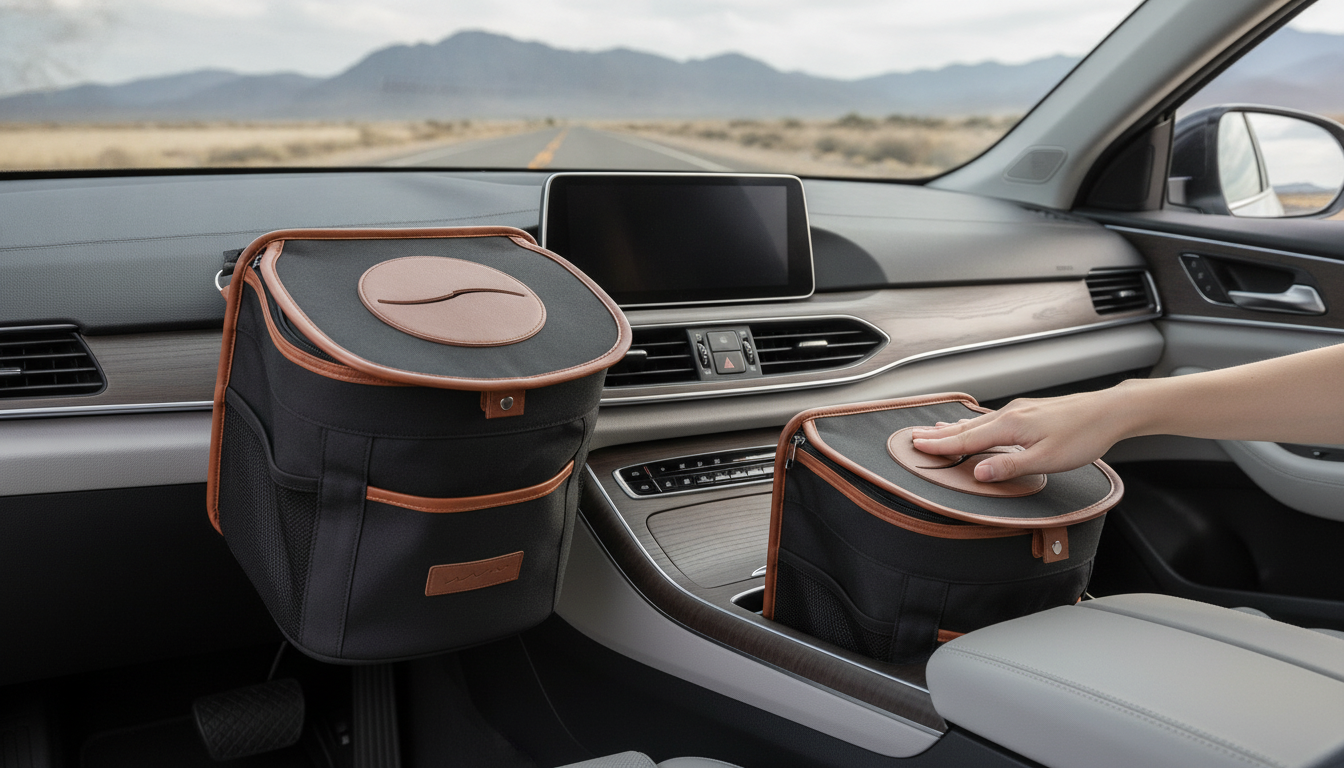
A dedicated car trash container keeps wrappers, receipts, tissues, and drink cups from piling up in door pockets and cupholders. This spill‑resistant 2.5‑gallon trash can is designed to hang from a headrest or secure to a central console, helping keep mess contained during daily commutes, road trips, and rideshare use.
Reducing loose items in the cabin can also make it easier to stay focused on the road. For broader safe‑driving guidance, see NHTSA’s distracted driving resources and the CDC’s distracted driving overview.
A car can look “fine” until one quick stop sends clutter sliding into places it shouldn’t be. A spill‑resistant bin gives trash a predictable home, so the rest of the cabin stays usable.
This style of in‑car trash can is built for real driving conditions: turns, sudden braking, and passengers who don’t always aim perfectly. The result is less cleanup after the fact.
Placement changes how often it gets used. If it’s easy to reach, it becomes the default drop spot for receipts, wrappers, and wipes instead of the floor or the seat.
| Mounting spot | Best for | Main advantage | Watch‑outs |
|---|---|---|---|
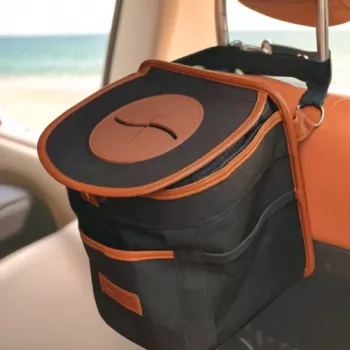
| Behind front headrest | Families, carpools, rideshare | Easy access for rear seats; keeps trash off the floor | Ensure it doesn’t bump knees or interfere with rear legroom |
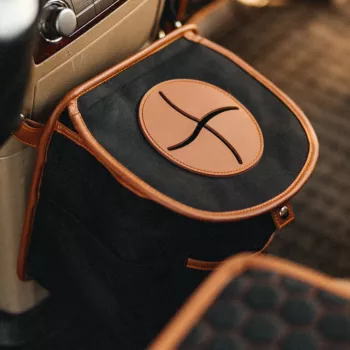
| Side of central console | Solo commuting, front‑seat snacking | Quick toss‑in while seated in front | Avoid blocking shifter, console lid, or seatbelt buckles |
| Between front seats (if space allows) | Shared front‑row use | Accessible to both driver and passenger | Confirm it won’t rub seats or limit seat adjustment |
“2.5 gallons” is a sweet spot for daily driving: big enough to matter, small enough to stay out of the way. It’s typically roomy enough for the unglamorous but constant stream of car trash.
One practical habit: keep the opening pointed upward and avoid overfilling. A container that’s packed to the top is more likely to push contents back out on rough roads.
The easiest trash can to live with is the one that stays low‑maintenance. A few small routines can prevent lingering smells and sticky buildup.
If you haul coffee cups or half‑finished drinks, empty liquids before tossing the cup. Spill‑resistant openings help contain mess, but minimizing free‑flowing liquid is what keeps cleanup truly simple.
A car trash can earns its keep when it catches the small items that otherwise end up wedged into seat cracks or scattered in the console. These are the things that make a cabin feel messy fast.
Spill‑resistant designs help reduce tipping and keep contents contained during turns and stops, but they aren’t a substitute for avoiding loose liquids. Use a liner when possible and empty wet or food waste promptly to prevent seepage and odors.
Choose a spot that won’t interfere with seat movement, seatbelts, airbags, or driver controls. A headrest mount is usually best for rear access, while a console-side placement is convenient for front-seat use—just confirm it won’t block the shifter or console lid.
Small liners in the 2–4 gallon range typically fit well, depending on the can’s shape and opening. Aim for a snug fit that’s easy to tie off, and replace it frequently to keep odors under control.








Leave a comment