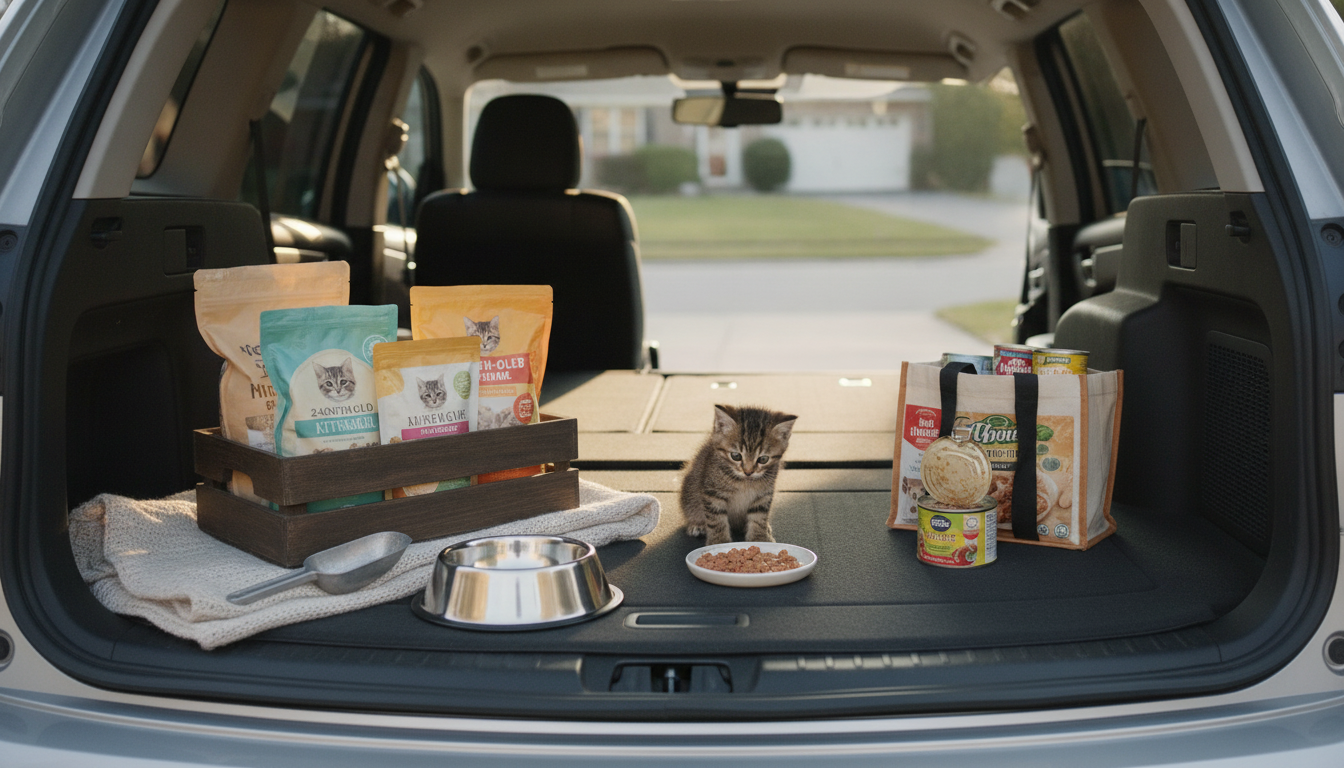
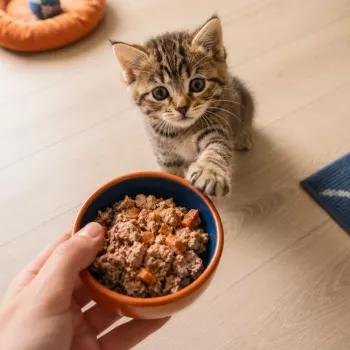
At around 2 months old, most kittens do best with a diet that includes plenty of wet food, with dry food used only as a supplement if desired. Wet food helps kittens stay hydrated, is easier to chew with small teeth, and is typically more aromatic—useful for kittens that are still building a strong appetite after weaning.
Two-month-old kittens are growing fast and need calorie-dense, high-protein nutrition made specifically for kittens. Wet kitten food is often the easiest way to meet those needs while also providing moisture. This matters because young kittens can be prone to mild dehydration, especially if they’re not big water drinkers yet.
Yes—many kittens can eat dry kibble at this age, but it shouldn’t be the only food unless a veterinarian recommends it. Dry food is convenient and can be left out for short periods, but it contains far less water. If you do offer kibble, consider mixing it with wet food or softening it with warm water to make it easier to chew and digest.
A practical routine is to feed scheduled wet meals (such as three to four small meals per day) and offer a small amount of dry food if your kitten tolerates it well. Watch for signs your kitten is struggling with kibble—dropping pieces, gagging, or refusing it—and switch to softer options if needed.
Choose food labeled “complete and balanced” for kittens (growth). When changing brands or formats (wet to dry or dry to wet), transition over several days to reduce stomach upset. If your kitten has diarrhea, vomiting, poor weight gain, or a low appetite, check in with a vet.
For more details on kitten feeding and how wet vs. dry compares at this stage, visit the main guide here.
Most 2-month-old kittens do well with three to four small meals daily, with total portions based on the feeding chart for their specific kitten food and their current weight. Adjust gradually if your kitten is leaving a lot behind or acting constantly hungry.











Leave a comment